The Traveler’s Ingredients contains affiliate links and is a member of the Amazon LLC Associates Program. If you make a purchase using one of these Amazon links, we may receive compensation at no extra cost to you. Read our disclaimer for more information.
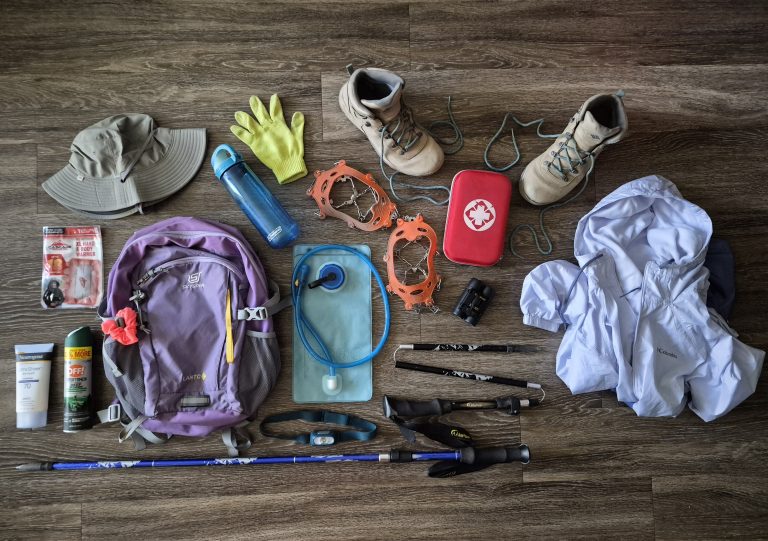
Whether you are camping for the first time or the umpteenth time, or you are going to relax or to explore more of the great outdoors, I have compiled this list of must-haves for camping to include everything you need to keep you safe and comfortable.
Camping can be as off-the-grid or as boujee (aka glamping) as you please. This all depends on what you bring and where you stay. Finding the right campsite for your needs is one of the most important steps in your camping journey.
After you have selected your travel destination, you need to pick your campground. There are several factors to consider when researching a campground. Do you want more amenities, or are you okay with roughing it? Will you be spending most of your time at the campsite, or will it simply be a place to sleep? How close do you want to be to the nearest town? How long will your stay be? Etc, etc, etc.
Next, you need to know what to bring. This depends on where you stay and what kind of camp style you choose. If you are in a comfortable campground with flushing toilets, showers, and running water, then you may require fewer items than if you are staying in an off-the-grid dispersed campsite. Additionally, if you choose to tent camp instead of RV camp, there are other factors to consider.
Regardless of your camping style, my list includes must-haves to pack for any camping trip to make your trip comfortable and memorable.
*See the free printable PDF at the bottom of this post. Available in completed or blank versions.*
How To Plan For Your Camping Trip: A Step-By-Step Guide
Step 1
Pick your destination. This may seem obvious, but if you haven’t done this step already, do it!
Step 2
Next, decide how close you want to be to the nearest town. This will determine your next steps. If you want to eat at a restaurant, need groceries, or medical services, pick a campground closer to town. However, if you want to be immersed in nature, a little off the beaten path is what you’re looking for.
Step 3
Now, figure out if you will be using a tent, a camper van, or an RV to camp. This is critical for your next step.
Step 4
Next, pick a campground and make reservations if applicable. There are multiple ways to find a campground that will fit your camping style. If you are looking for an off-the-grid dispersed campground, The Dyrt is a great resource. But, if you are looking for a campsite with a few more amenities or within national park limits, Recreation.gov is the site to use. Lastly, if you are looking for a more comfortable spot in a convenient location, KOA has everything you’re looking for.
Step 5
Now, get to packing! Camping requires just a little more planning than any other trip, so let’s get into the things you will need to make it as comfortable as possible.
The Things Inside: The Must-Haves To Pack
Sleeping Essentials
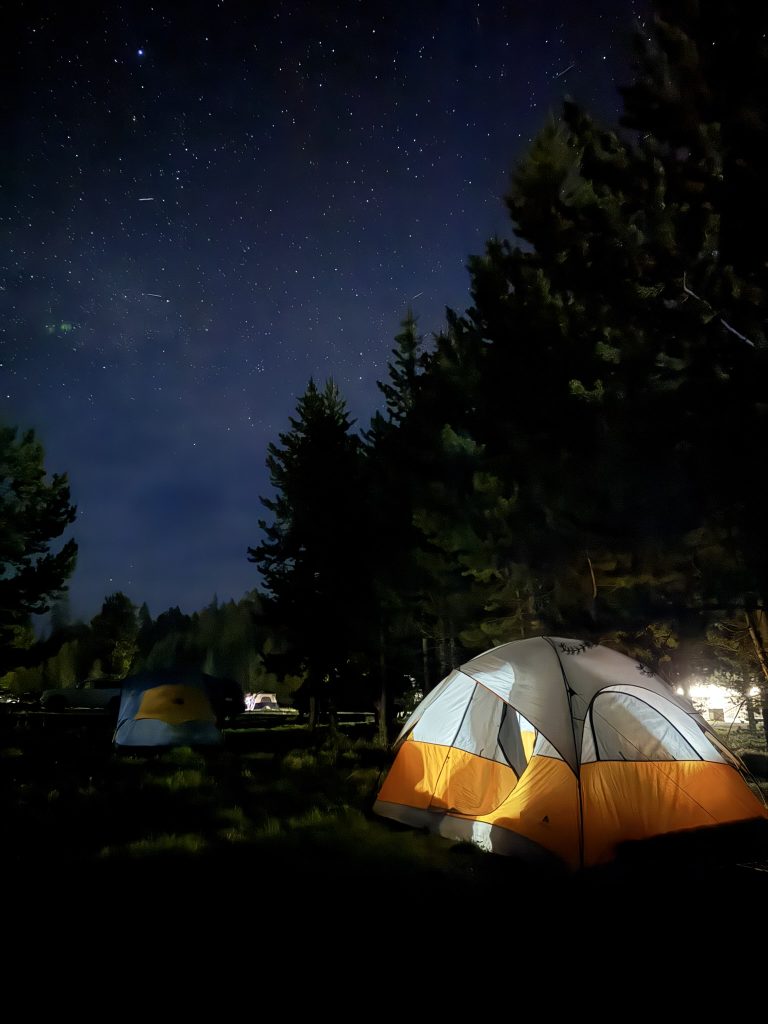
Tent: this is only required if you are tent camping, but don’t forget everything that goes with it (i.e., poles, rainfly, tarp, etc.).
Tent Stakes: these are crucial to make sure your tent doesn’t blow away. Make sure to get heavy-duty ones.
Mallet: make your life easier by bringing a mallet to stake your tent down. Sometimes the ground is tough to get the stakes in properly, and a mallet makes getting the stakes in and out of the ground easy.
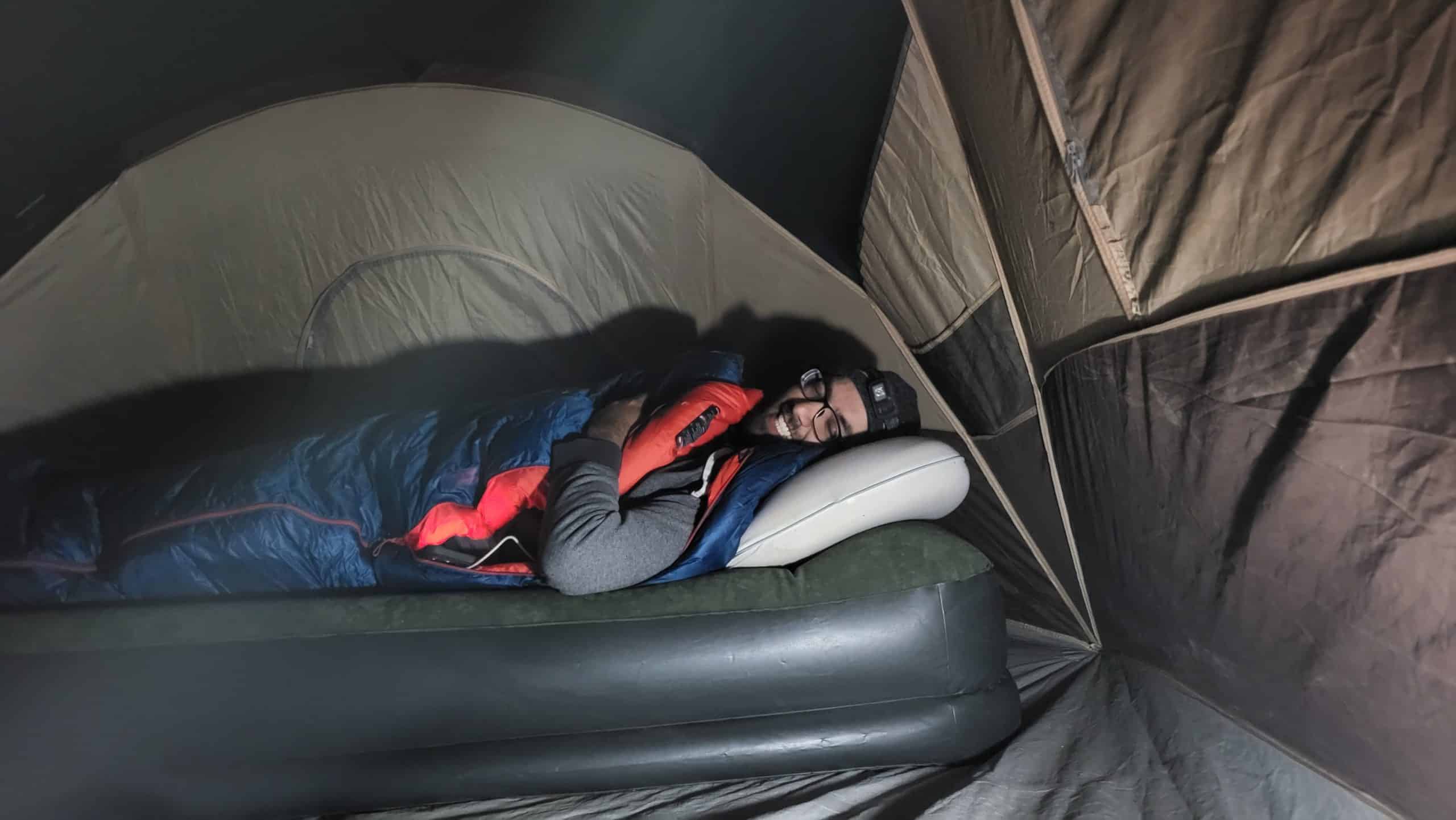
Air Pump: another item to make your life easier. Blowing up your sleeping pad or air mattress is a lot of work, so either get an air pump that uses battery power or plugs into the cigarette lighter in your car to make quick work of it.
Sleeping Bag: stay warm and cozy with this sleeping bag. Ensure you have a high-quality one with a high temperature rating for those really cold nights.
Pillow: the most commonly forgotten item, but something that helps you stay comfortable while sleeping outside.
Emergency Blanket: these keep you warm in a pinch and take up minimal space.
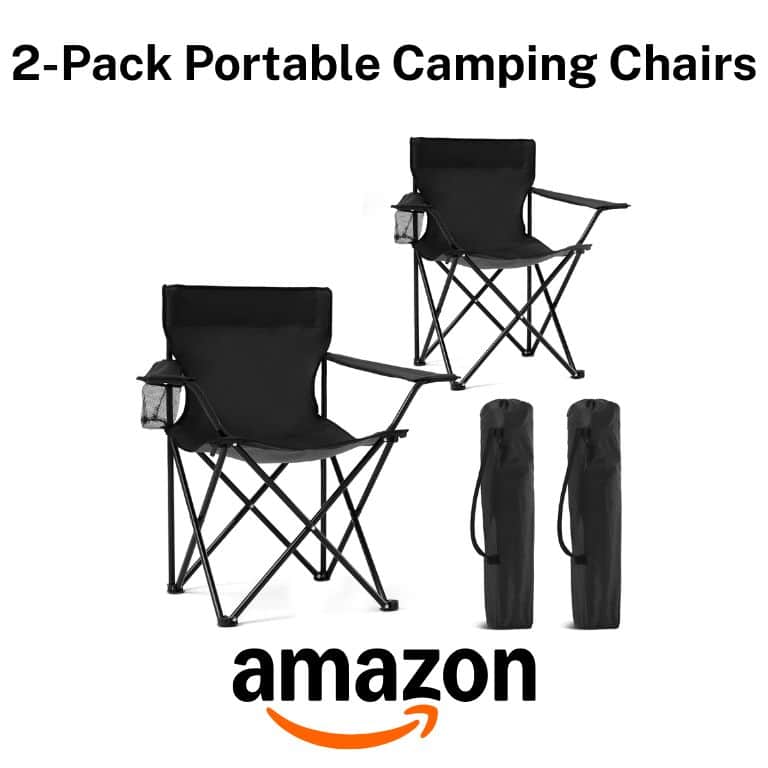
Camp Chairs: not all campsites come with a picnic table, so camp chairs come in handy if you want to sit comfortably.
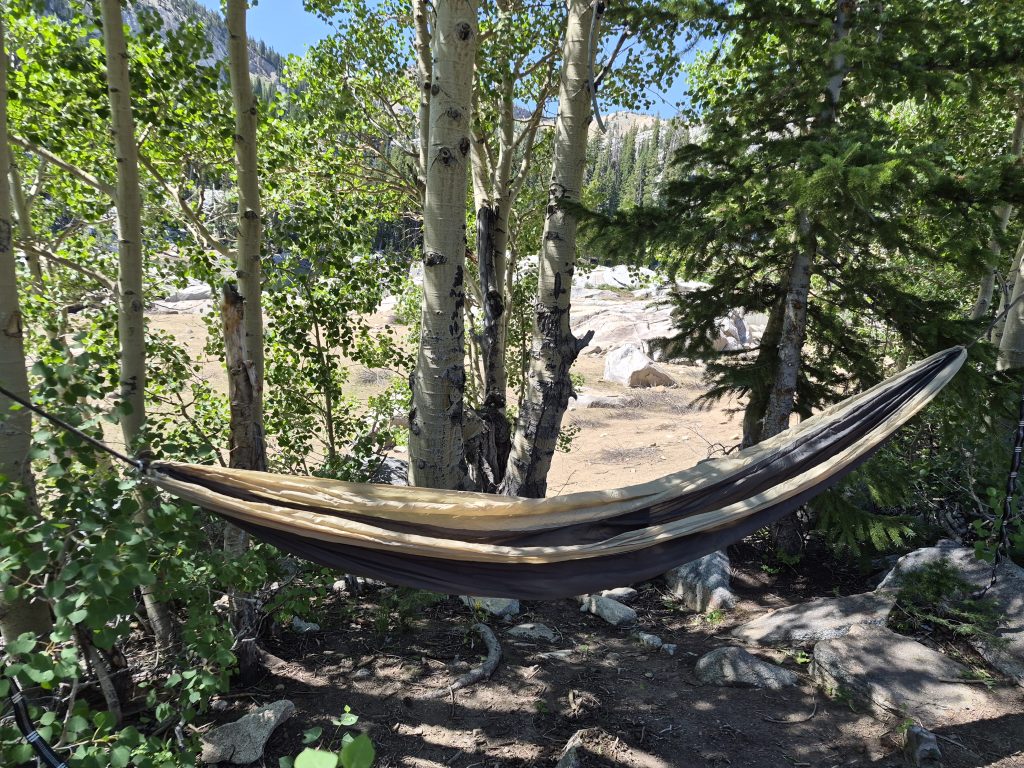
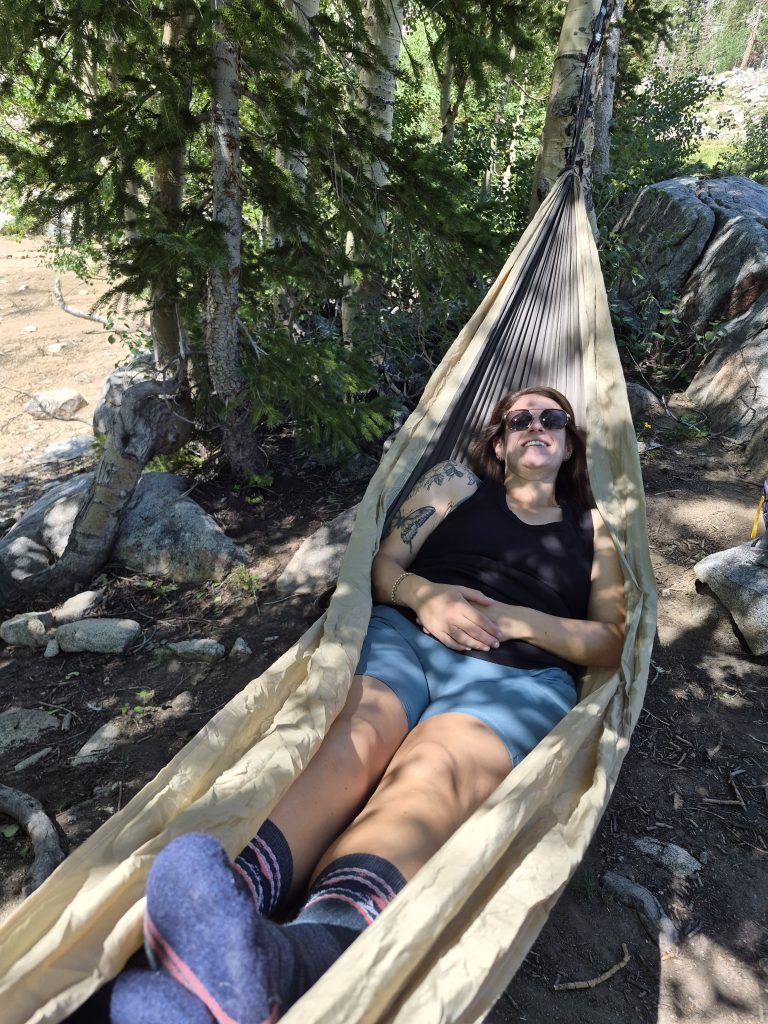
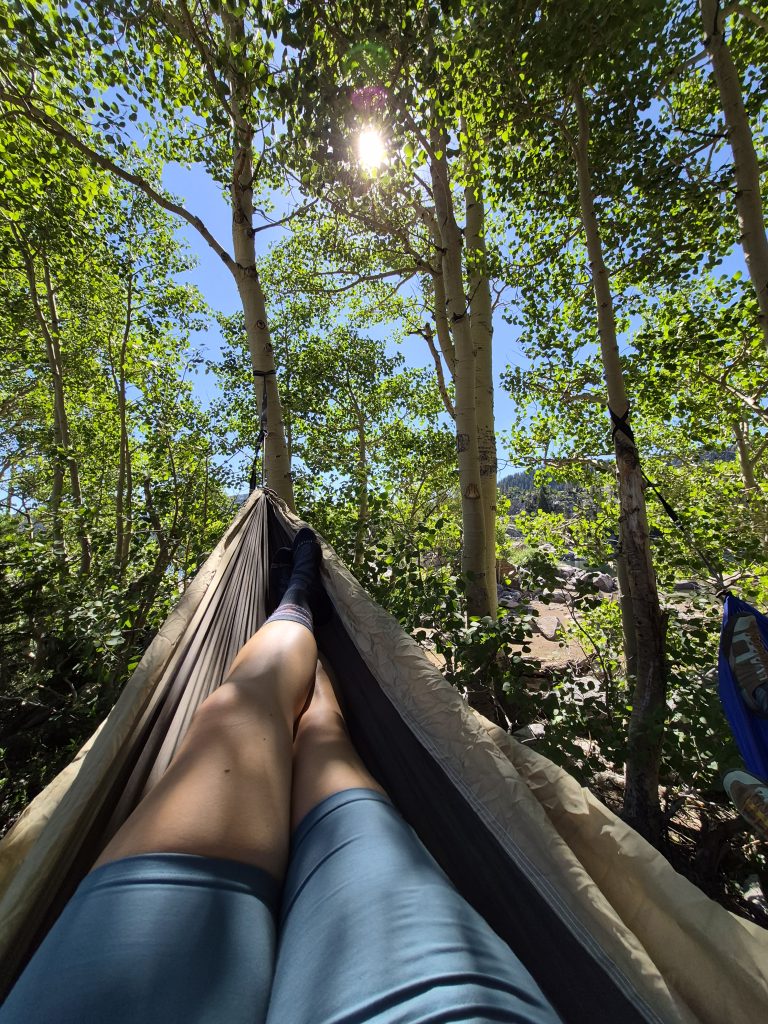
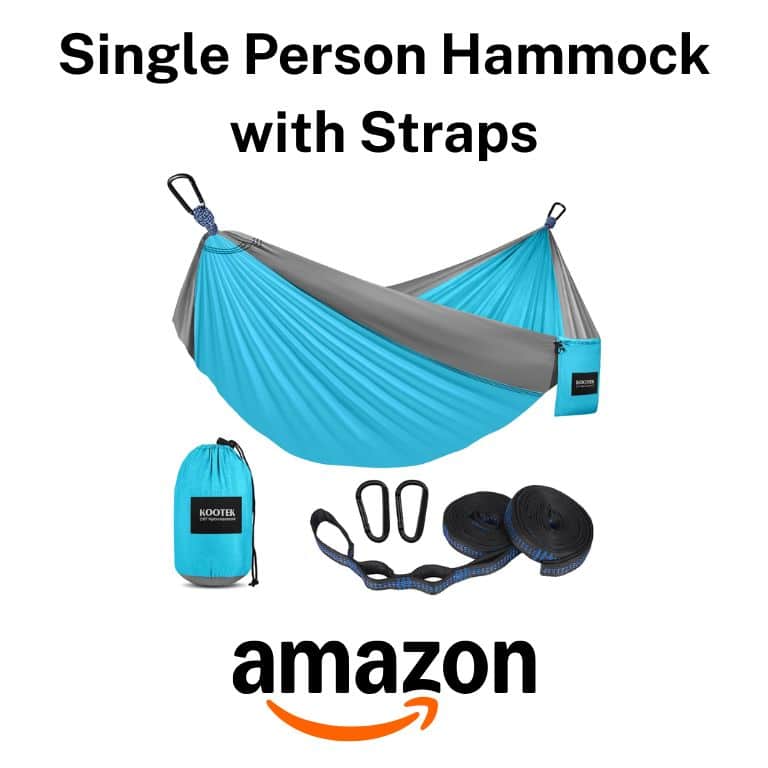
Hammock: if you are looking to relax a little at your campsite, a hammock gives you the perfect spot to relax.
Binoculars: if you want to birdwatch or spot wildlife, binoculars make all the difference.
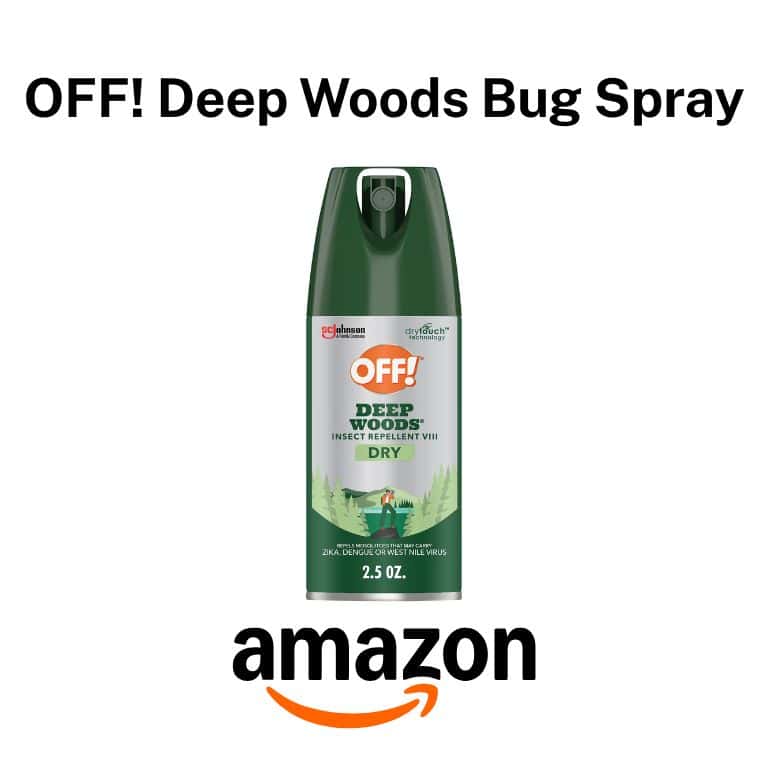
Bug Spray: you will be spending time outside where the bugs are, so be prepared with this bug spray.
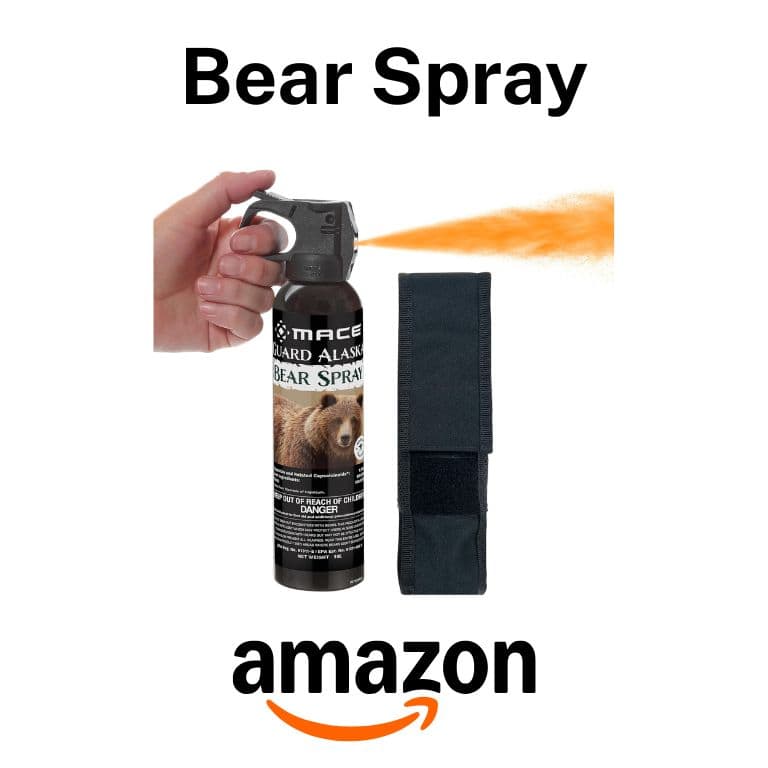
Bear Spray: this is highly important to carry in bear country, but it is never a bad idea to just keep it on hand regardless.
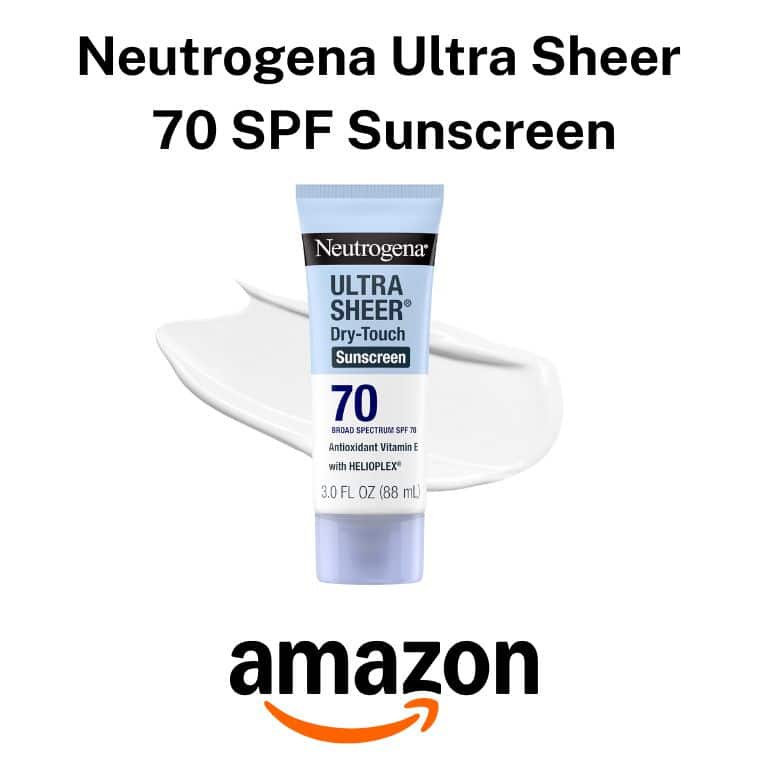
Sunscreen: stay protected from UV rays with this water-resistant and sweat-resistant sunscreen that offers high SPF.
Sunhat: this comes in handy if there is minimal shade.
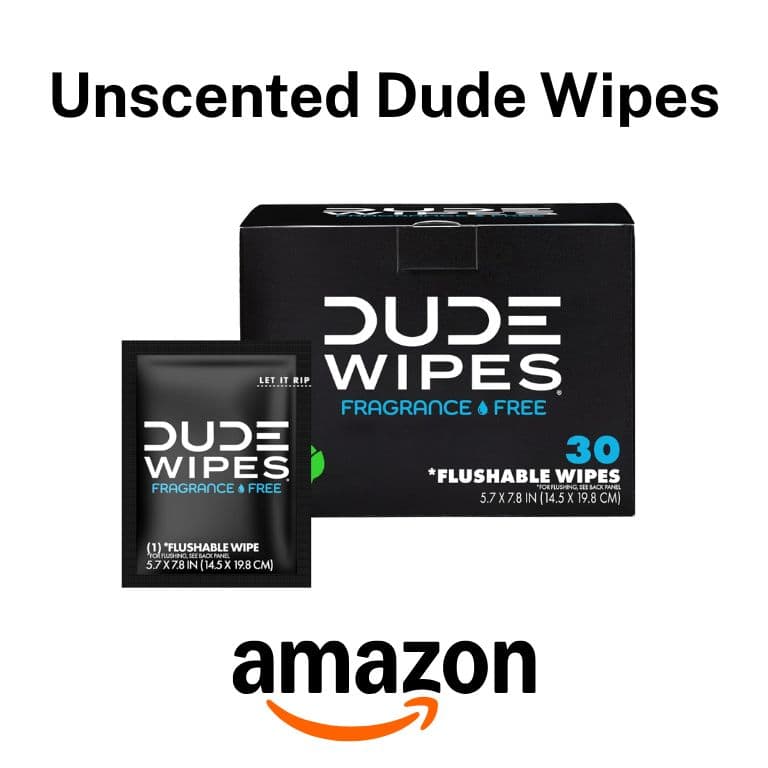
Baby Wipes/Dude Wipes: these are one of the most versatile items you can take with you. They serve as a quick way to wipe down surfaces, clean dirty hands, clean wounds, or even an impromptu shower.
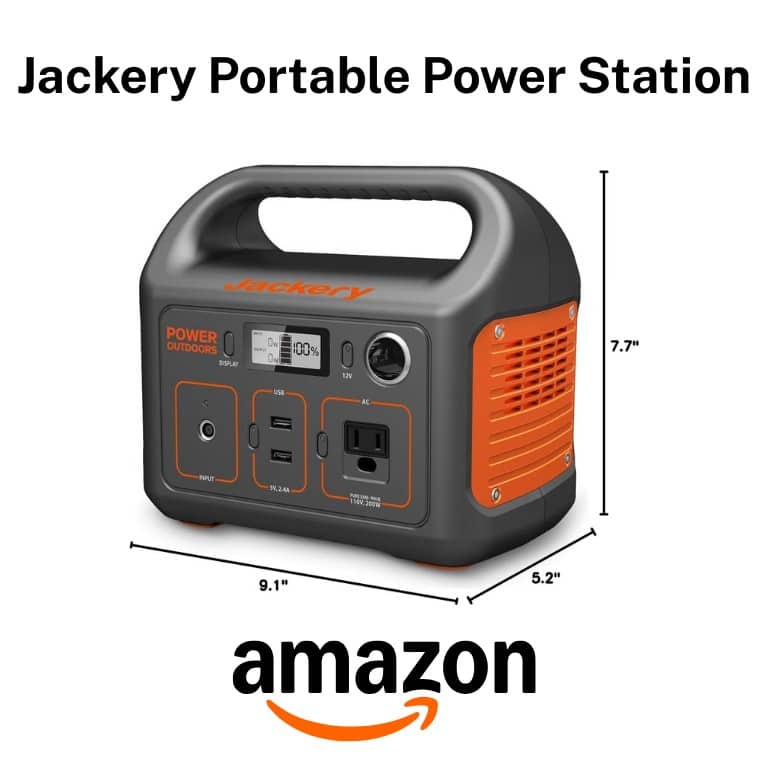
Jackery: this is essentially a small generator, ideal for tent camping, especially when you plan to stay for extended periods. Plug in your phone, air pump, or lamp using the solar-power-charged Jackery.
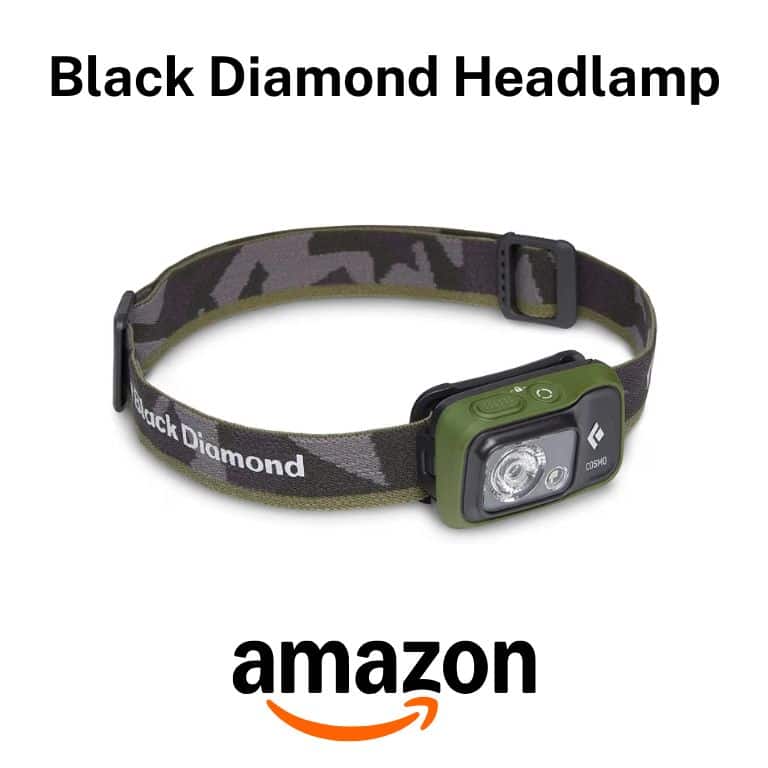
Lamp/Headlamp: don’t be left in the dark and bring along a lamp and a headlamp. Trying to find the bathroom or your way around the campground at night can be tough if you don’t have a light source, so bring these along to see and keep your hands free.
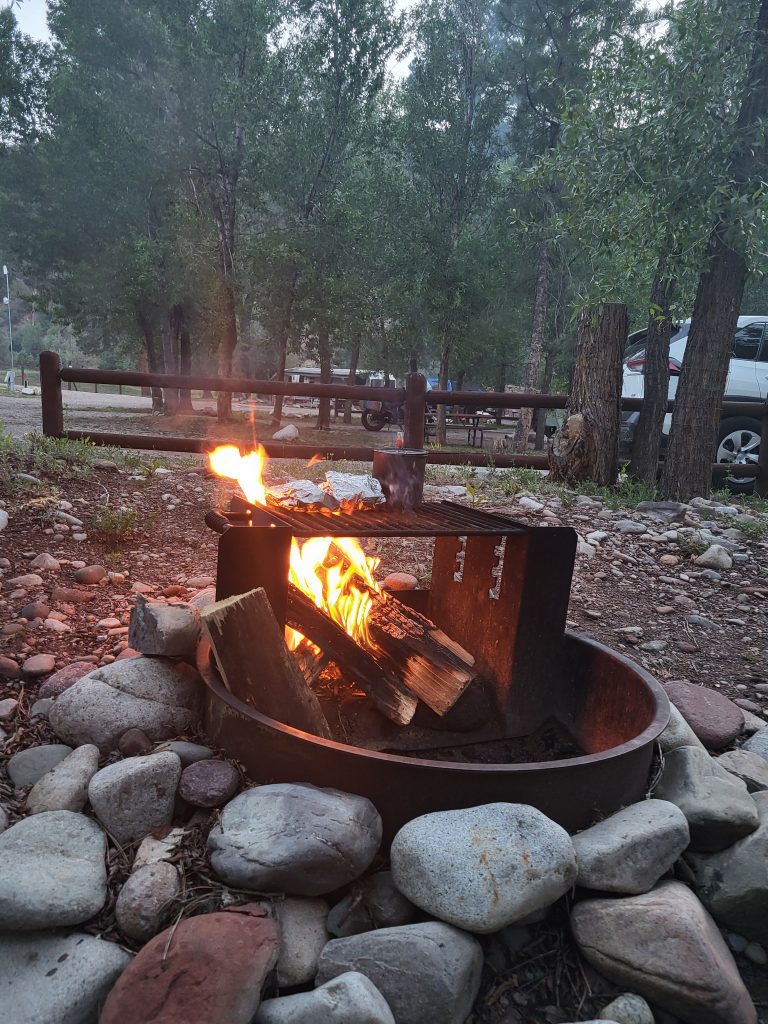
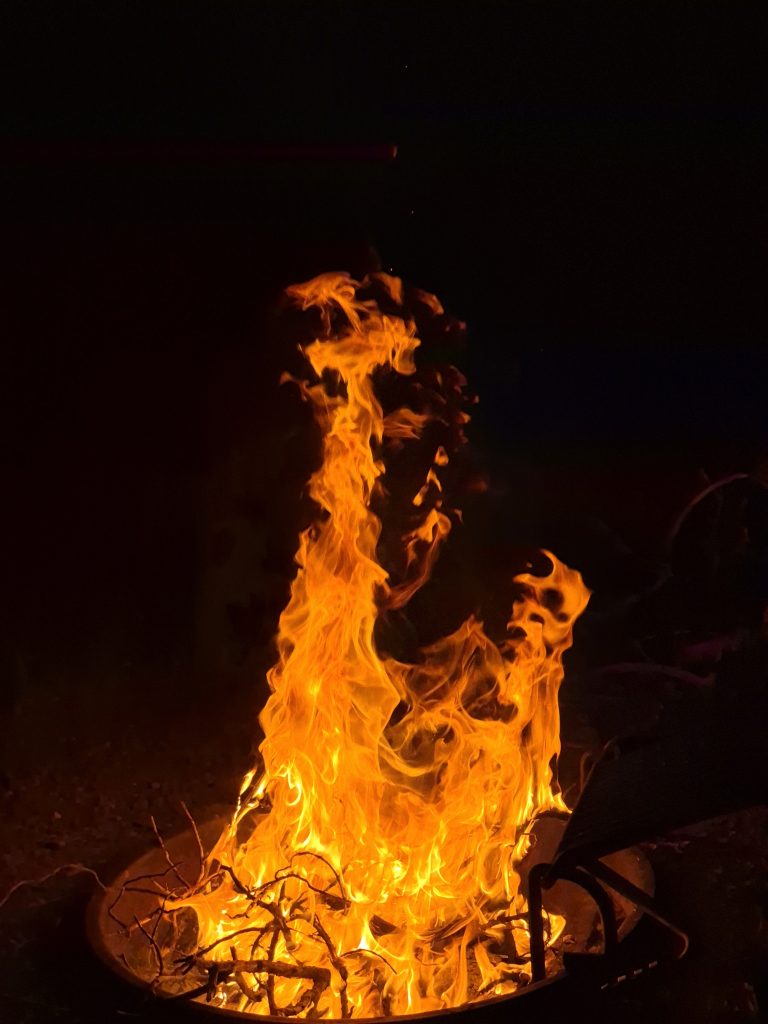
Firewood: this is dependent on the fire restrictions, but camping is all about sitting around a campfire and enjoying the great outdoors. It can also serve as an alternative way to prepare your meals. Not all campgrounds offer firewood or allow you to gather it on site, so buy some in advance if you plan to have a campfire.
Mini Axe: not only can you use a mini axe to chop firewood, but you can also use it in case of an emergency.
Lighter Fluid: this comes in handy when starting a fire becomes difficult, or is necessary if using charcoal on a grill.
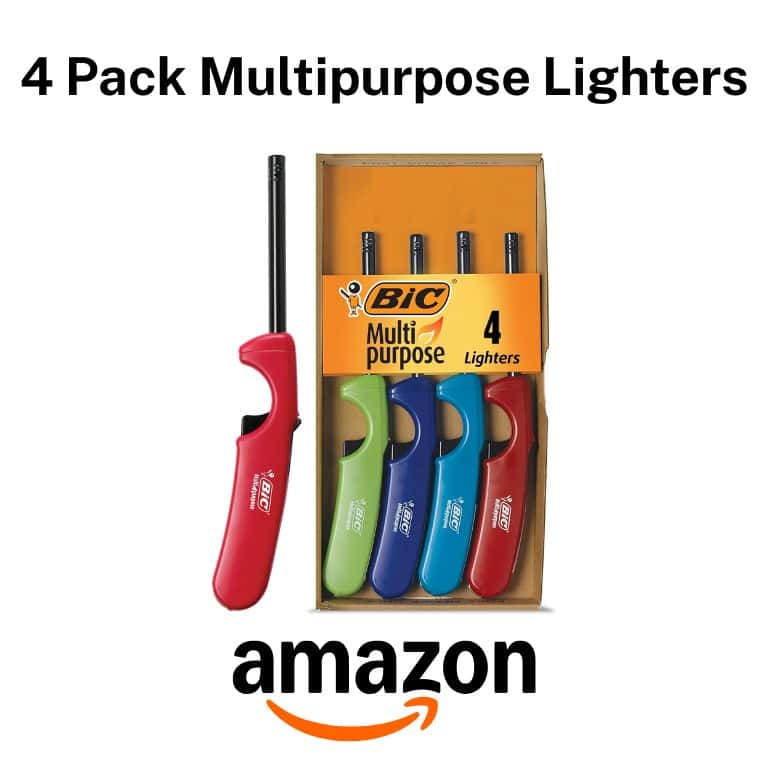
Matches/Lighter: unless you want to start a fire using two rocks, these are necessary to start a fire or for some camp stoves.
Knife: cut your food, use as protection, or keep as a handy tool; a knife comes in clutch. Just make sure to keep it in a safe space with a cover to prevent injuries.
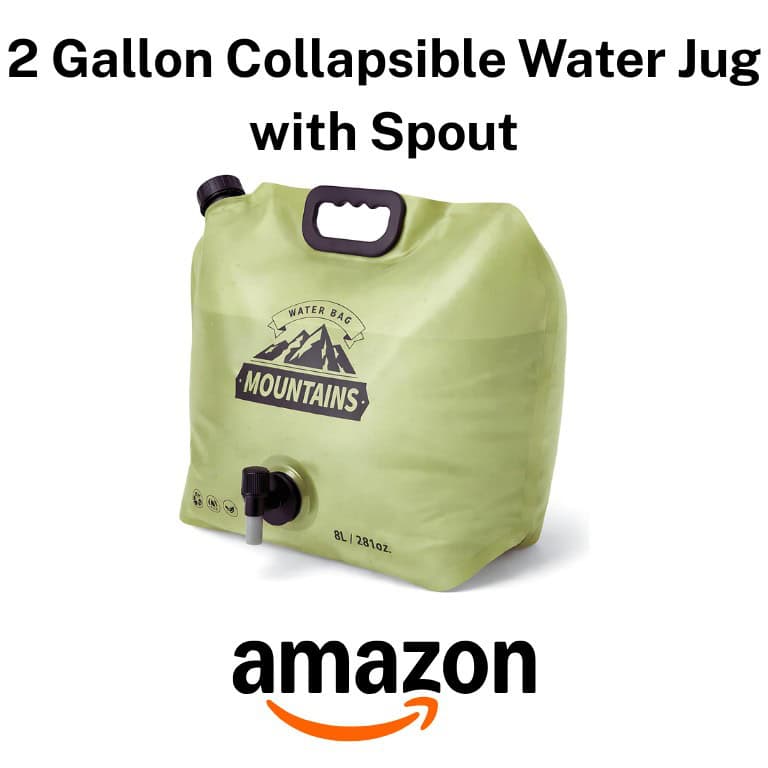
Water Jug: not all campgrounds offer running water, so it never hurts to bring a full water jug as a backup water supply for drinking or putting out fires. Plus, you should always bring more than you think you need.
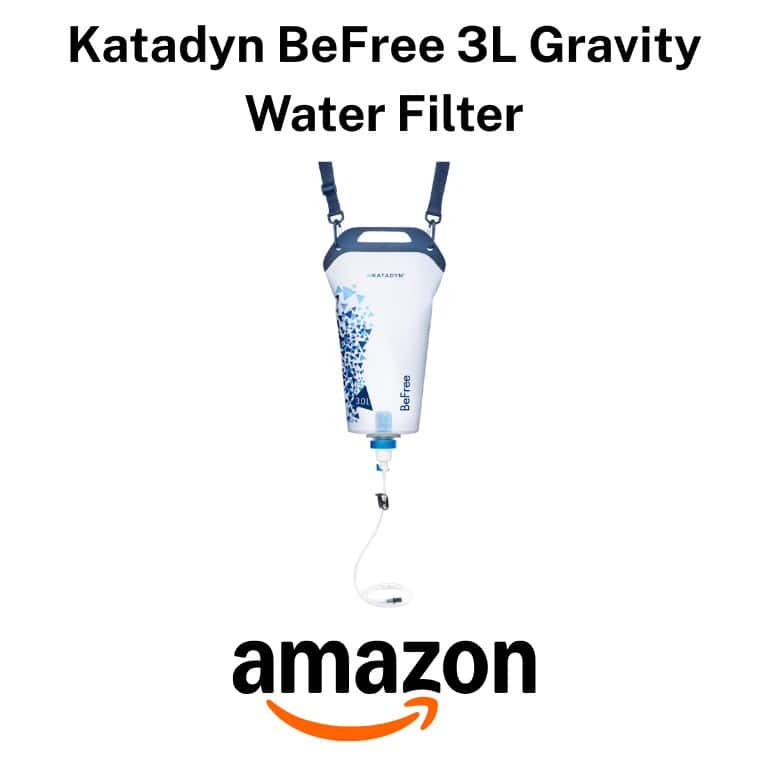
Water Filter: another useful tool to keep on hand in case you run out of water and the campground offers no potable water services. This is especially important in the backcountry.
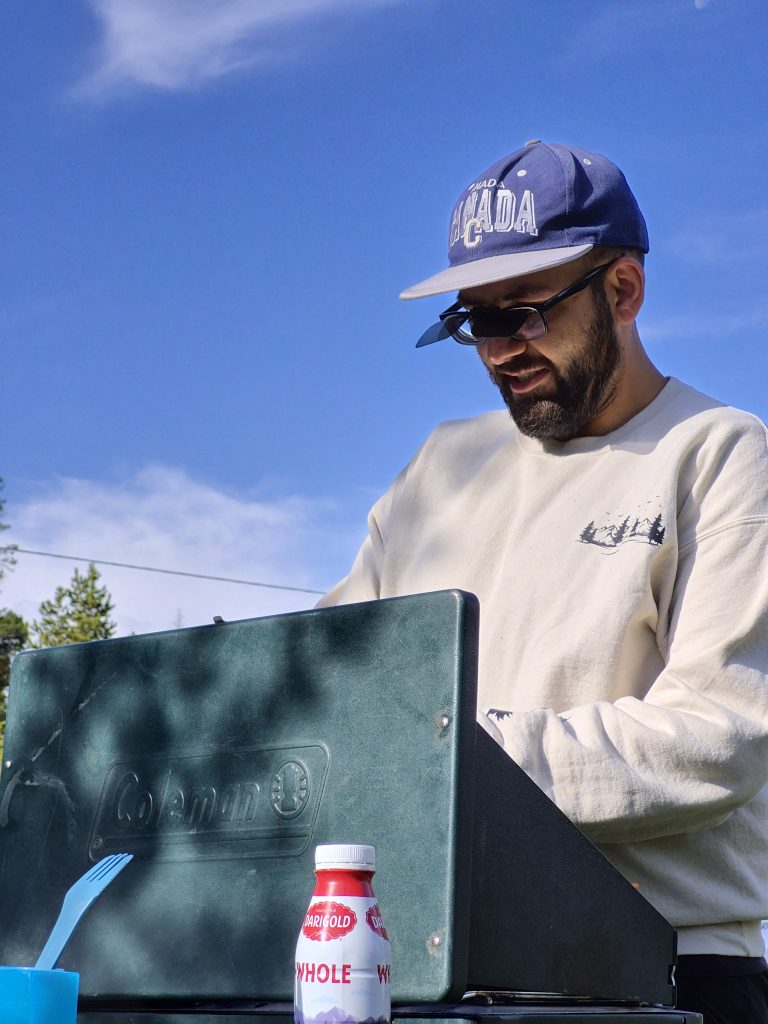
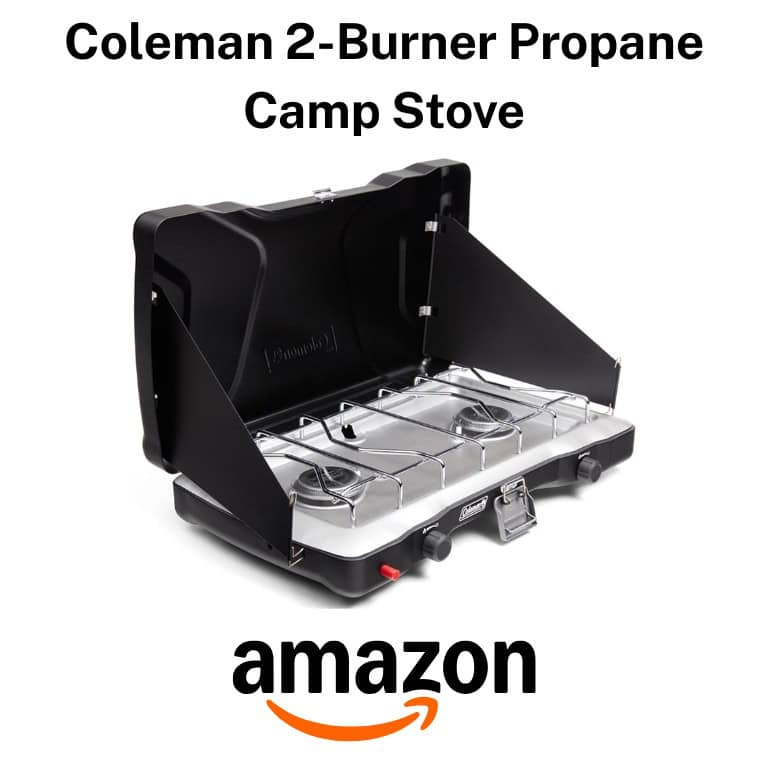
Camp Stove: if fire restrictions are in place, a camp stove allows you to cook without the worry.
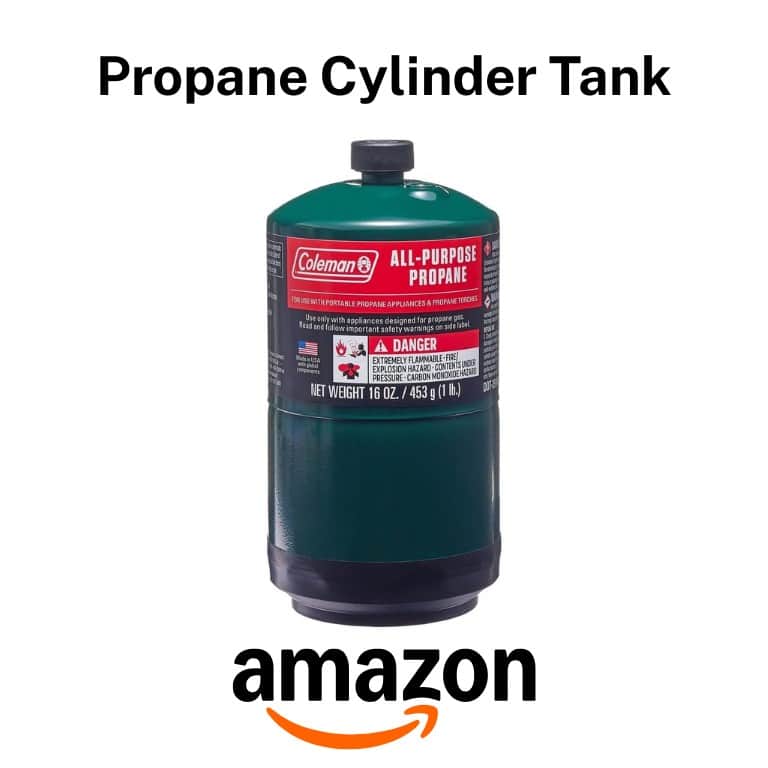
Propane/Butane: this is essential to have for the camp stove.
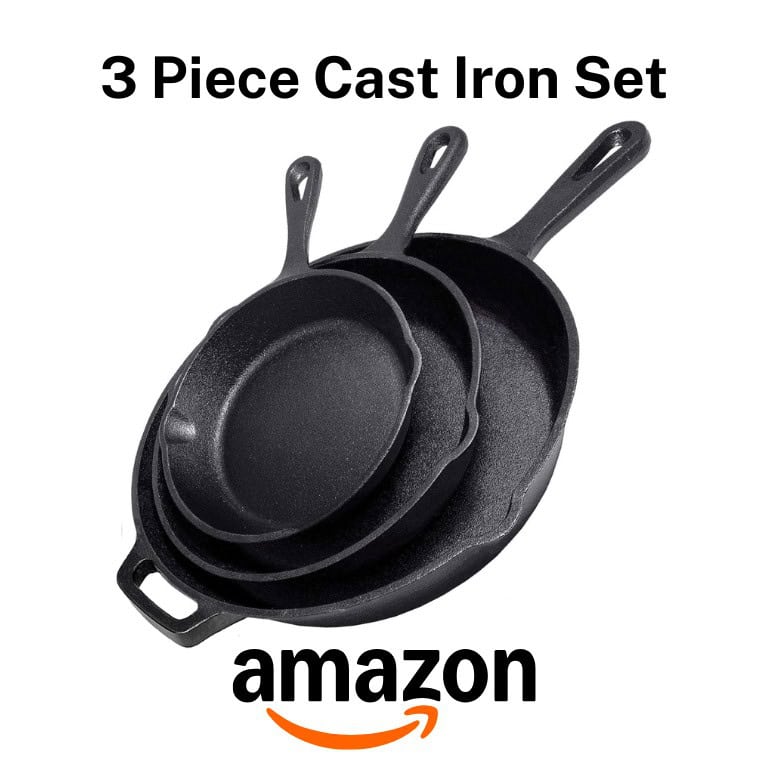
Pan/Skillet: to cook on the stove, you will need one or two of these. Pro tip: if you bring along a cast-iron skillet, you can opt to use it on the campfire as well, just make sure to have a hot pad to grab it safely.
Utensils (Cooking and Eating): make cooking a breeze with some essential cooking utensils (i.e., spatula, tongs, large spoon, etc) and eating simple with a 6-in-1 utensil.
Plates: either bring along some reusable or disposable plates to make eating easy.
Cups: either bring reusable or disposable cups as well.
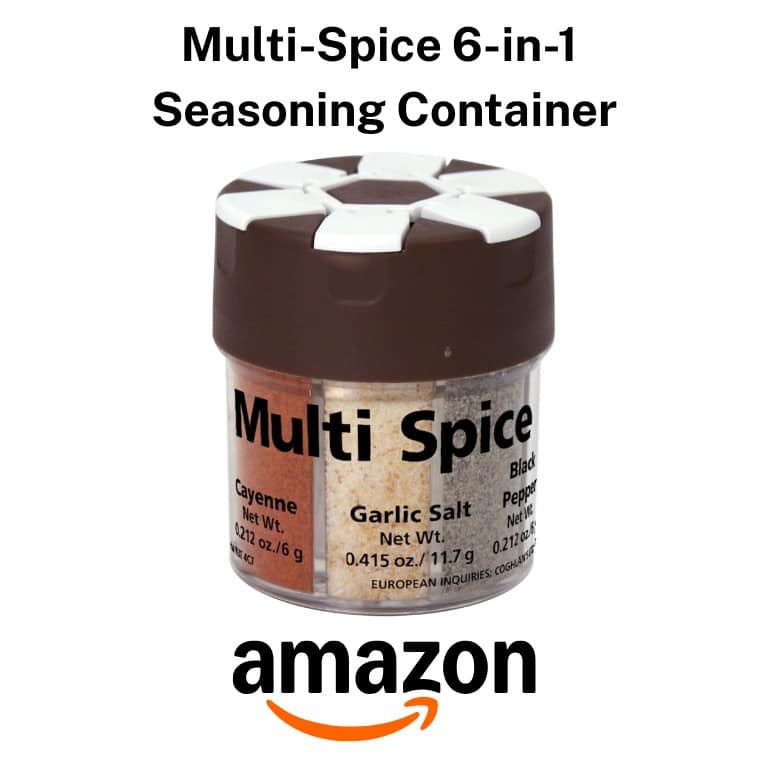
Seasonings: camping doesn’t mean you have to eat bland food, so bring this little gem of an item with all the essential spices you will need, or put your favorite spices in a pill organizer to save space.
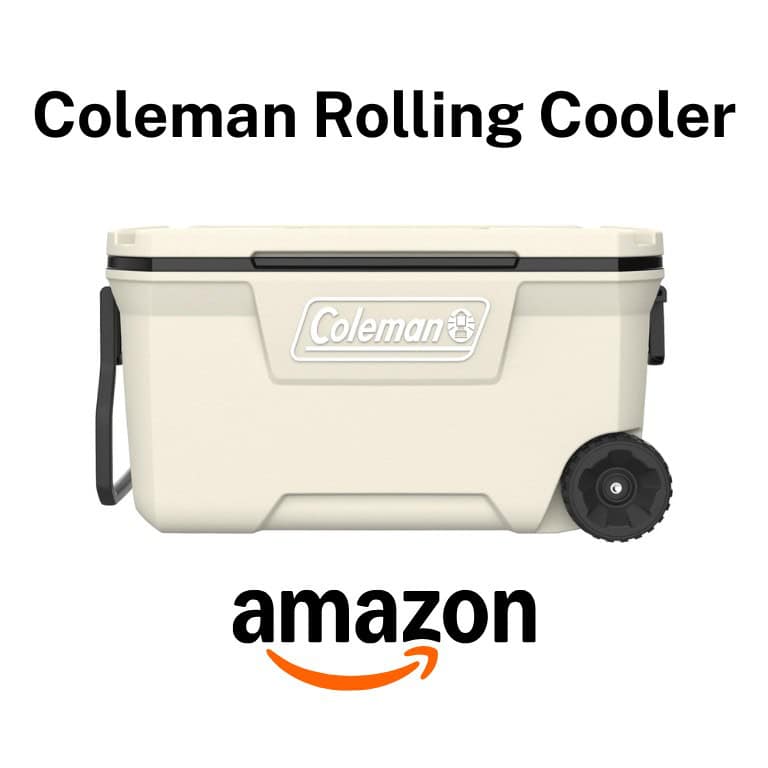
Cooler: campgrounds are not known for having refrigerators, so bring along a cooler if you are tent camping to keep your perishables cool and fresh.
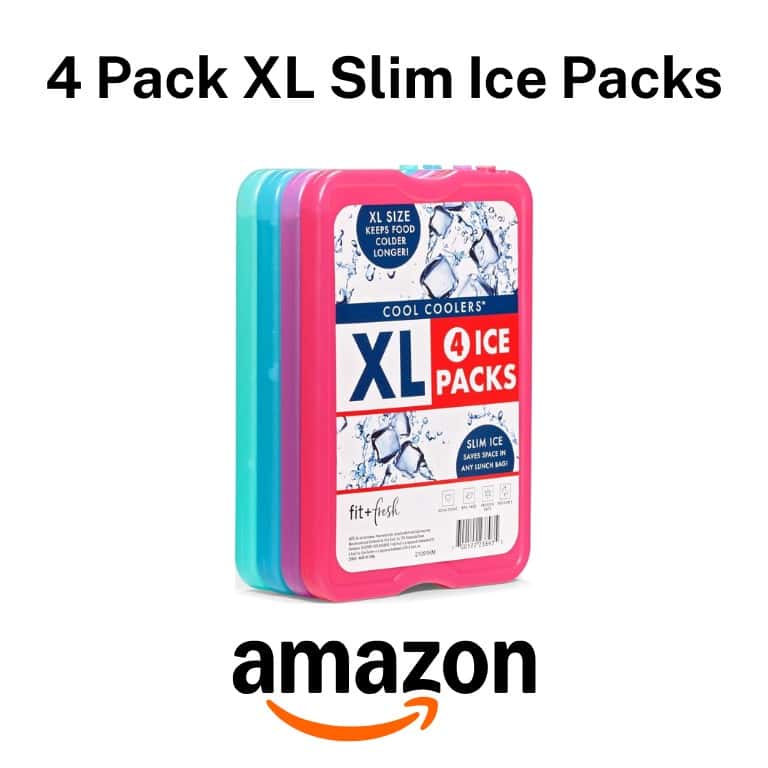
Cold Packs: keep your food cool and dry with cold packs instead of loose ice cubes.
Collapsible Sink: if you cook at camp and bring reusable plates, cups, and silverware, make clean-up a breeze with a collapsible sink.
Biodegradable Soap: soap is necessary to wash your dishes, but to keep the environment clean, pack a biodegradable brand.
Ziploc Bags: these can be used to wrap up leftover food, wet clothes, or to keep things organized.
Trash Bags: keep your garbage in one spot with trash bags. Make sure to dispose of your trash properly, especially in bear country, and respect “Leave No Trace” principles.
Paper Towels: from cleaning up messes to patching wounds, paper towels are another versatile product to pack to camp.
Toilet Paper: some campsites do not have restrooms available or may not be well-stocked, so keep a roll or two of toilet paper with you at all times. Toilet paper is also a versatile product to carry (i.e., kindling for campfires, patching wounds, etc).
Hand Sanitizer: if there is no running water for you to wash your hands, hand sanitizer will be your saving grace.
First Aid Kit: accidents can happen at any time and any place, so it is best to always be prepared. This kit comes with all the things you could use in a pinch.
Can’t Forget Toiletries: see my full guide on what to pack in your toiletry kit so you will be ready for your trip.
Versatile Clothing: from rain jackets to underlayers to cargo pants, my full guide gives you ideas on how to pack smarter for any kind of trip.
Card Games: in case you get stuck inside your home-away-from-home due to weather, card games are a great distraction to keep everyone happy.
Know Before You Go
Be Aware of the Weather Conditions
Be sure to check the weather at your destination before you depart. This is important to make sure you are prepared for it. The weather is unpredictable, so it’s best to be prepared as much as you can, especially when you will be outdoors.
Check Fire Restrictions
This is an important thing to review before heading to the backwoods. Fire danger is typically greater in warmer months, but it is still a risk to consider year-round. If you do have a campfire, ensure you are prepared to put it out properly. Read about how to properly have and distinguish a campfire here.
Review Activities
Ensure you have downloaded any reservation information for planned activities, as well as confirmed if any of your activities require additional equipment you will need to bring.
Follow “Leave No Trace” Principles. There are seven principles in total, and they are as follows: plan ahead and prepare, travel and camp on durable surfaces, dispose of waste properly, leave what you find, minimize campfire impacts, respect wildlife, and be considerate of other visitors. Read here for more information.
Download offline maps. Whether you are at an established campground or in the backcountry, there is no guarantee of data or WIFI availability, so download offline maps of the area before losing service and map out trails, drives, or activities in advance.
Preplan your meals. Review your itinerary and determine which meals you will need to plan. Once you know what meals you will be bringing along with you, you can plan what food to pack. With limited space and refrigeration options, it is essential to plan your meals carefully.
Bring versatile products. Pack items that free up space and that are multipurpose. For example, bring along baby wipes as a quick way to wipe down surfaces and offer a way to keep your hands/body clean. You can also bring along sandals that make getting around camp at night easy and are comfortable for water activities.
Be prepared for critters. Sleeping outside means you will encounter bugs and wildlife, so be prepared. Remember, you are in their home, be mindful of how and where you store your food and trash. If your campsite does not come with a bear canister, keep all food, trash, and toiletries in your car to minimize your chances of critter encounters.
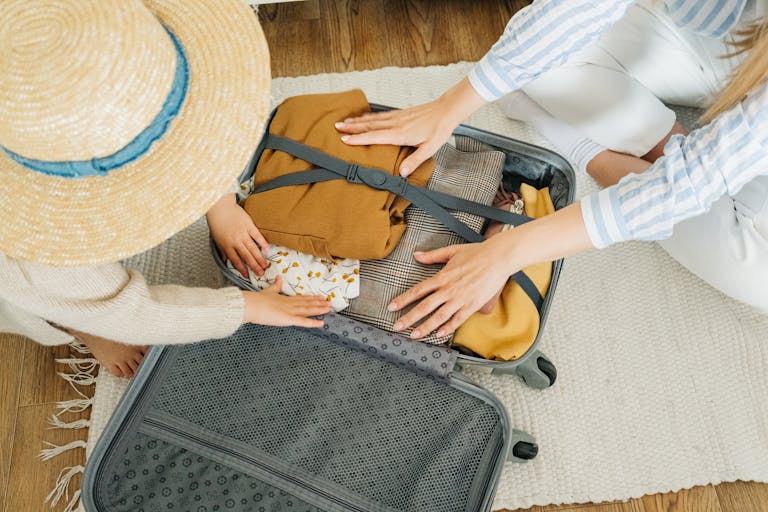
Use packing cubes. Organization is key when camping, so keeping items stored in packing cubes makes your life a little easier. Preplanning your outfits also helps keep you organized.
Do a dry run of camp set-up at home. If camping is new to you or you have a new tent, it is best to test it out at home so you know how to put it up when you arrive at camp. This is especially helpful in case it is raining when you arrive.
Set up camp before anything else. It is never fun setting up camp in the dark or after you’ve been on the trail all day, so do it first thing when you get there, so you can relax later.
And there you have it! The perfect recipe on how to plan for your next camping trip, with the must-haves to bring.
Below you will find free printable lists you can use for your next trip. And, if you are looking for more travel resources, visit my resources page for more items that might suit your travel needs.
Hey there! I’m Caitlyn, the brains behind The Traveler’s Ingredients. I’m an amateur chef, baker, and avid food lover who is also passionate about visiting every corner of the world that I can! I am adamant about recreating dishes that I fell in love with in my travels, mastering comfort meals, and building packing lists to ease pre-trip jitters.
The Traveler’s Ingredients contains affiliate links and is a member of the Amazon LLC Associates Program. If you make a purchase using one of these Amazon links, we may receive compensation at no extra cost to you. Read our disclaimer for more information. Boots laced, bag packed, snacks secured, and we’re off! After years of…
The Traveler’s Ingredients contains affiliate links and is a member of the Amazon LLC Associates Program. If you make a purchase using one of these Amazon links, we may receive compensation at no extra cost to you. Read our disclaimer for more information. Okay, so you’ve booked your next extended vacation! What’s next? After checking…
The Traveler’s Ingredients contains affiliate links and is a member of the Amazon LLC Associates Program. If you make a purchase using one of these Amazon links, we may receive compensation at no extra cost to you. Read our disclaimer for more information. From brushing your teeth to washing your hair, I have you covered…
The Traveler’s Ingredients contains affiliate links and is a member of the Amazon LLC Associates Program. If you make a purchase using one of these Amazon links, we may receive compensation at no extra cost to you. Read our disclaimer for more information. Minimize headaches and last-minute panic by bringing along essential items needed for…
The Traveler’s Ingredients contains affiliate links and is a member of the Amazon LLC Associates Program. If you make a purchase using one of these Amazon links, we may receive compensation at no extra cost to you. Read our disclaimer for more information. Let your inner Disney Adult shine. Wear the ears, buy the matching…
The Traveler’s Ingredients contains affiliate links and is a member of the Amazon LLC Associates Program. If you make a purchase using one of these Amazon links, we may receive compensation at no extra cost to you. Read our disclaimer for more information. Bring along versatile clothing that works in both hot, humid climates and…